
How to Write a Letter to a Withdrawn Listing Homeowner
When a property comes off the market, many homeowners still want to sell. They've lost confidence in the process, price or agent. Learn how to reach out at the right time with a message that gets results.
This guide covers what to consider before you write, how to structure a letter that actually gets a response, and the mistakes that make most withdrawn-listing outreach get binned. At the bottom, you can download ready-to-use letter templates.
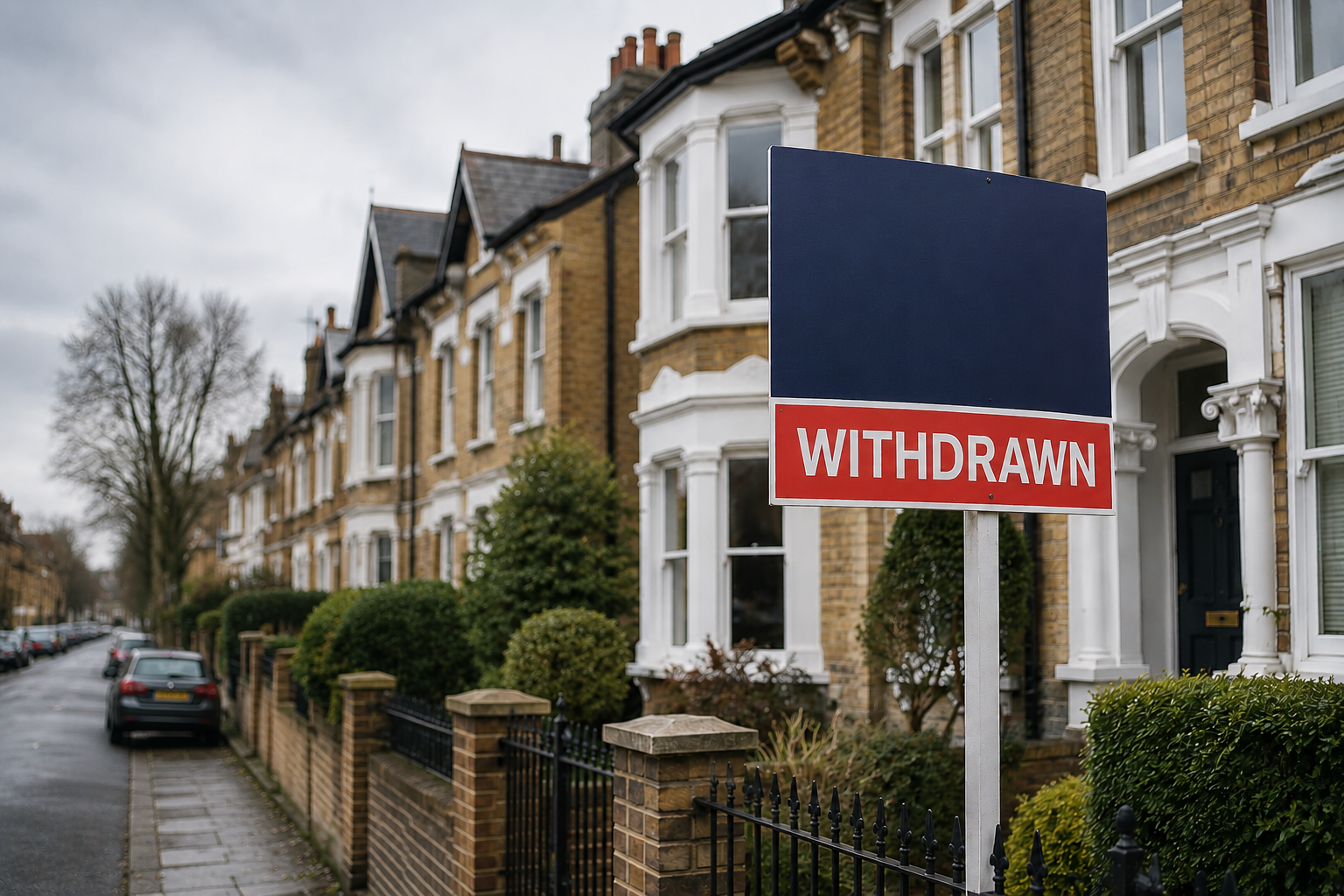
Why Withdrawn Listings Are Worth Your Time
Many homeowners who withdraw haven't changed their mind about moving. Their plan didn't work out, but the goal may still stand. They've already done the hard part: deciding to sell, decluttering, allowing viewings, and dealing with the disruption.
What to Consider Before You Write
Speed Is an Advantage
Traditionally, agents waited a week or two before writing, worried about looking opportunistic. But with data updated daily, you can reach a homeowner quickly, often before other agencies have picked up on the change.
Acknowledge Without Criticising
Homeowners are often defensive about a withdrawn listing; it can feel like a failure, even when it isn't. Never open with anything that implies they (or their agent) got it wrong. Offer a different way forward instead of pointing out mistakes.
Lead with Insight, Not a Pitch
The most effective letters show the homeowner you understand why similar properties don't sell (pricing drift, presentation, buyer feedback patterns) before you mention anything about your services. Data specific to their situation (their road, their property type, current local market activity) does far more work than a generic sales message.
Be Ready for the First Conversation
A homeowner may still be tied to their previous agent by a sole agency agreement, and listing data can't tell you. When they reply, ask early, before you discuss terms.
The Structure of an Effective Letter
To maximise response rates, structure your letter following these core principles:
Common Mistakes to Avoid
-
Sending a template that's obviously a template: Generic "Is your property still for sale?" letters get recognised instantly and binned. Specificity is what makes a letter feel worth reading.
-
Leading with your credentials or awards: Homeowners don't care yet; they care about their specific situation first.
-
Multiple asks in one letter: Pick one clear next step, not "call us, email us, or visit our office."
-
No follow-up plan: A single letter may not be enough. Plan a call or a second contact.
Get the Ready-to-Use Prospecting Letter Pack
Includes 4 ready-to-use templates(Withdrawn Listings, Price Reductions, Fallen-Through Sales and Stale Listings) plus a one-page personalisation checklist.
The 2-week trial of Streets Ahead Data is optional. No credit card required.