
How to Write a Letter to a Homeowner Whose Property Has Been on the Market for 12+ Weeks
After 12 weeks or more on the market, a homeowner is often weighing up what to change. Learn how to write to them with a professional, proactive message that offers a fresh perspective without criticising their current agent.
This guide covers why properties sit on the market, what to consider before you write, how to structure a letter that gets a response, and the mistakes to avoid. At the bottom, you can download ready-to-use letter templates.
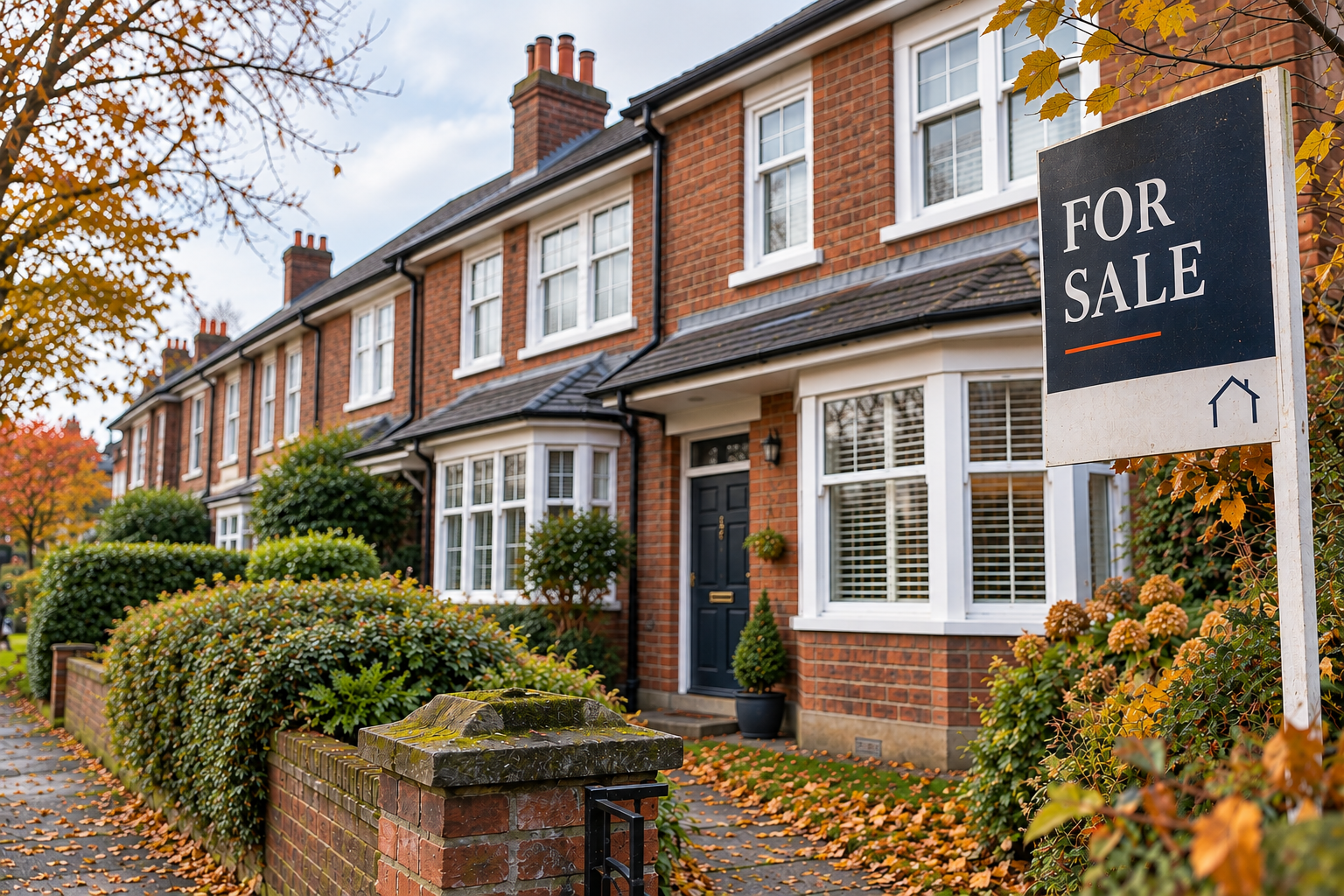
Why Long-Listed Properties Are Worth Your Time
A homeowner who has been listed for 12 weeks or more has lived with the process for a long time: the viewings, the waiting and the feedback. They may well be considering what to change, whether that's the price, the marketing or the agent. Many agreements run for a fixed initial period, so some of these homeowners may be approaching the end of theirs.
Why Properties Sit on the Market
Knowing the common reasons helps you write with the right understanding. You can't know which one applies to this homeowner.
Price
The asking price may not match what buyers in the area expect to pay.
Presentation
Photography, descriptions and how the home looks on the day all shape first impressions.
Reach
A listing seen by the same active buyers for weeks can fade into the background.
Timing and Conditions
Seasonality and local market conditions can slow a sale whatever else is done.
One rule for your letter: don't tell the homeowner what's wrong with their campaign. You haven't seen it from the inside, and criticism of the current marketing is criticism of their agent. Offer a review instead of a verdict.
What to Consider Before You Write
Speed Is an Advantage
The 12-week mark is a point many homeowners reach with mixed feelings. With data updated daily, you can write soon after a property passes it, while the homeowner may be reviewing their options.
Be Professional and Proactive
Position yourself as a fresh pair of eyes, not as a rescue. A confident, courteous and specific letter works better than urgency or big promises.
Lead with a Figure You Can Stand Behind
A specific figure gives you something concrete to offer, whoever the homeowner is working with. Use your own results or a local count, and only a figure you can back up.
Be Ready for the First Conversation
The homeowner is very likely still instructed with an agent, so they may be tied to a sole agency agreement. Listing data can't tell you the terms. Don't ask them to switch in your first letter, and when they reply, ask early about any agreement before you discuss terms.
The Structure of an Effective Letter
To maximise response rates, structure your letter following these core principles:
Common Mistakes to Avoid
-
Telling them what's wrong with their current campaign: You haven't seen it from the inside, and it reads as criticism of their agent.
-
Asking them to switch agents: A first letter that asks for the instruction feels premature. Offer a review and let the conversation develop.
-
Quoting figures you can't back up: A figure builds trust only if it's accurate. Use data you can stand behind.
-
Sending a letter that could be about any property: If nothing in it is specific to their situation, it will be treated as junk mail.
-
No follow-up plan: A single letter may not be enough. A homeowner who can't act now may be ready in a few weeks, so plan a call or a second contact.
Get the Ready-to-Use Prospecting Letter Pack
Includes 4 ready-to-use templates(Withdrawn Listings, Price Reductions, Fallen-Through Sales and Stale Listings) plus a one-page personalisation checklist.
The 2-week trial of Streets Ahead Data is optional. No credit card required.